MNI 8209324-41 Standby Proteus Idu Critical Radio Networks Microwave
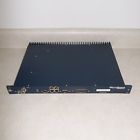
( Brand: Mni ), ( Part Type: Radio ), ( Model : 8209324-41 ), ( Seller Id: 02 )
Review MNI Hot standby Proteus Idu Series Critical Radio Networks Microwave
The 8209324-41 MNI Hot-Standby Proteus IDU Critical Radio Networks Microwave is a sophisticated and reliable communication solution designed for critical radio networks. This microwave system is engineered to deliver uninterrupted connectivity, even in challenging environmental conditions.
The Hot-Standby feature ensures that if the primary system fails, the backup system automatically takes over, maintaining the continuity of communication. This redundancy feature is crucial for critical applications such as emergency services, utility management, and transportation.
The Proteus IDU (Integrated Distributed Unit) is a compact, ruggedized unit that houses the microwave radio, power supply, and other necessary components. The unit is designed for outdoor use and is resistant to harsh weather conditions, including extreme temperatures, humidity, and dust.
The system operates in the microwave frequency band, providing high-capacity data transmission with low latency. This ensures that real-time data can be transmitted without delay, making it ideal for applications that require immediate response, such as telemedicine or remote monitoring.
The 8209324-41 MNI Hot-Standby Proteus IDU Critical Radio Networks Microwave is also equipped with advanced security features to protect against unauthorized access and interference. The system uses encryption and authentication protocols to ensure that only authorized users can access the network.
In conclusion, the 8209324-41 MNI Hot-Standby Proteus IDU Critical Radio Networks Microwave is a high-performance, reliable, and secure communication solution for critical radio networks. Its Hot-Standby feature, ruggedized design, high-capacity data transmission, and advanced security features make it an ideal choice for applications that require uninterrupted and secure connectivity.
Pros of buying a MNI Hot-Standby Proteus IDU Critical Radio Networks Microwave:1. Reliability: This microwave is designed for critical applications, ensuring minimal downtime and high data transfer rates.
2. Redundancy: The hot-standby feature allows for a backup system to take over automatically in case of a failure, ensuring continuous operation.
3. Scalability: The Proteus IDU is modular and can be easily upgraded or expanded to meet growing network needs.
4. High-performance: With its high data transfer rates, low latency, and robust error correction mechanisms, the Proteus IDU can handle mission-critical applications with ease.
Cons of buying a MNI Hot-Standby Proteus IDU Critical Radio Networks Microwave:1. High cost: The Proteus IDU is a high-end microwave solution, which can be expensive to purchase and maintain.
2. Complexity: The Proteus IDU is a sophisticated system with many features, which may require specialized expertise to install, configure, and maintain.
3. Limited availability: Due to its specialized nature, the Proteus IDU may not be widely available in all regions, which could impact delivery times and support services.
Conclusion:The MNI Hot-Standby Proteus IDU Critical Radio Networks Microwave is a high-performance, reliable, and scalable solution for mission-critical applications. Its redundancy features ensure minimal downtime and high data transfer rates, making it ideal for critical radio networks. However, its high cost and complexity may make it a less attractive option for some buyers. Ultimately, the decision to purchase the Proteus IDU should be based on the specific needs of the application and the budget available.
Recommendation:If the cost and complexity are not prohibitive, the MNI Hot-Standby Proteus IDU Critical Radio Networks Microwave is a highly recommended solution for mission-critical applications that require high data transfer rates and minimal downtime. Its modularity and scalability make it a future-proof investment that can grow with the needs of the network. However, it is important to carefully evaluate the specific requirements of the application and consult with experts to ensure that the Proteus IDU is the best fit for the situation.
Details:
Common Odis and MS with proteus amt products lower sparing requirements for large mixed networks. The latter is a software defined radio.
Up to 50 bps total throughput more bps per. Features and benefits summary cost efficient PhD and or Ethernet solution allows lower startup costs.
Guaranteed no problems.
It uses the same element manager for configuration and control and is fully compatible with our snap element manager system ems software. The l series shares a similar look and feel with the current proteus amt. The proteus amt l series features a single fixed 16 tributary input output connector and two fixed 100baset Ethernet connectors.
The ability to share spares between the two radio types within mixed networks can also represent a significant cost and logistics savings for operators with large networks. A software defined radio is characterized by its flexibility simply modifying or replacing software can completely change its functionality.
There is a distinct difference between a radio that internally uses software for some of its functions and a radio that can be completely redefined in the field through modification of software. This combination gives the user the freedom to configure his radios for e1s or ds1s and or Ethernet in any combination up to the maximum purchased capacity.
The proteus amt l series also uses the same outdoor units Odis and antennas as the proteus amt. Band width efficient lower channel leasing costs by doubling the data throughput.
Proteus amt l series is completely software configurable for data rates from 4 bps to as high as 50 bps.
One very significant feature introduced in the proteus amt l series is the concept of a software defined radio Sadr.
specifications twowayradiobob:
- brand: Mni
- part type: Radio
- model : 8209324-41
- seller id: 02
Ratings:
- smooth transaction, rapid shipping, as described 09-29-16
- Great seller. Thanks! 09-27-16
- SUPER fast shipment, excellent communication, Outstanding seller & GREAT items! 09-29-16
- Terrific transaction! Quick shipping, great packing and very nice items! 09-29-16
- good stuff 09-29-16
Offer twowayradiobob:
- # bids: 0
- Started: October 1, 2016, 6:05 am
- best offer: false
- # Sold: 0
- quantity: 1
Payments twowayradiobob:
- PayPal
Seller twowayradiobob:
- city: Duncansville, Pennsylvania
- zipcode: 16635
Shipping twowayradiobob:
- type: Calculated
- handling: 1 days
Returns twowayradiobob:
- time: 30 Days
- paid by: Buyer
- details: Restocking fee: 20%
- type: Money Back
- policy: returns accepted
General twowayradiobob:
- in stock: Yes
- condition: Used
- Business & Industrial > MRO & Industrial Supply > Commercial Radios > Two-Way Radios